Dr Sara Belcher studies ecology through the lens of mātauranga Māori, creating a resource management tool that links Māori concepts to scientific metrics.
Science does not exist in a social vacuum, explains Dr Sara Belcher, whose ecology and resource management research straddles Western scientific methodology and mātauranga Māori.
As a small child in the 1980s, Sara (Te Arawa—Uenukukōpako, Ngāti Pikiao) remembers being glued to the TV screen when Our World was on every Sunday. The series featured David Attenborough documentaries, all focused on the natural environment.
“I was completely captivated by it,” she says. “My dad’s a scientist and my mum is where I got my Māori whakapapa, so I have an analytical mind and also feel a real connection to Papatūānuku—it’s just always been who I am.”
These days Sara is a senior lecturer at Te Herenga Waka—Victoria University of Wellington’s Pūtaiao ki te Pāpori—School of Science in Society. With a background in ecology and biosecurity, she joined the University after working for 18 years as an environmental monitoring officer at the Greater Wellington Regional Council (GWRC).
“Working for GWRC gave me an extensive background in designing and implementing ecological monitoring to work out the effectiveness of pest management strategies,” she explains. “The GWRC was very interested in integrating mātauranga into their environmental resource management work, so they supported me to do my PhD at Victoria.”
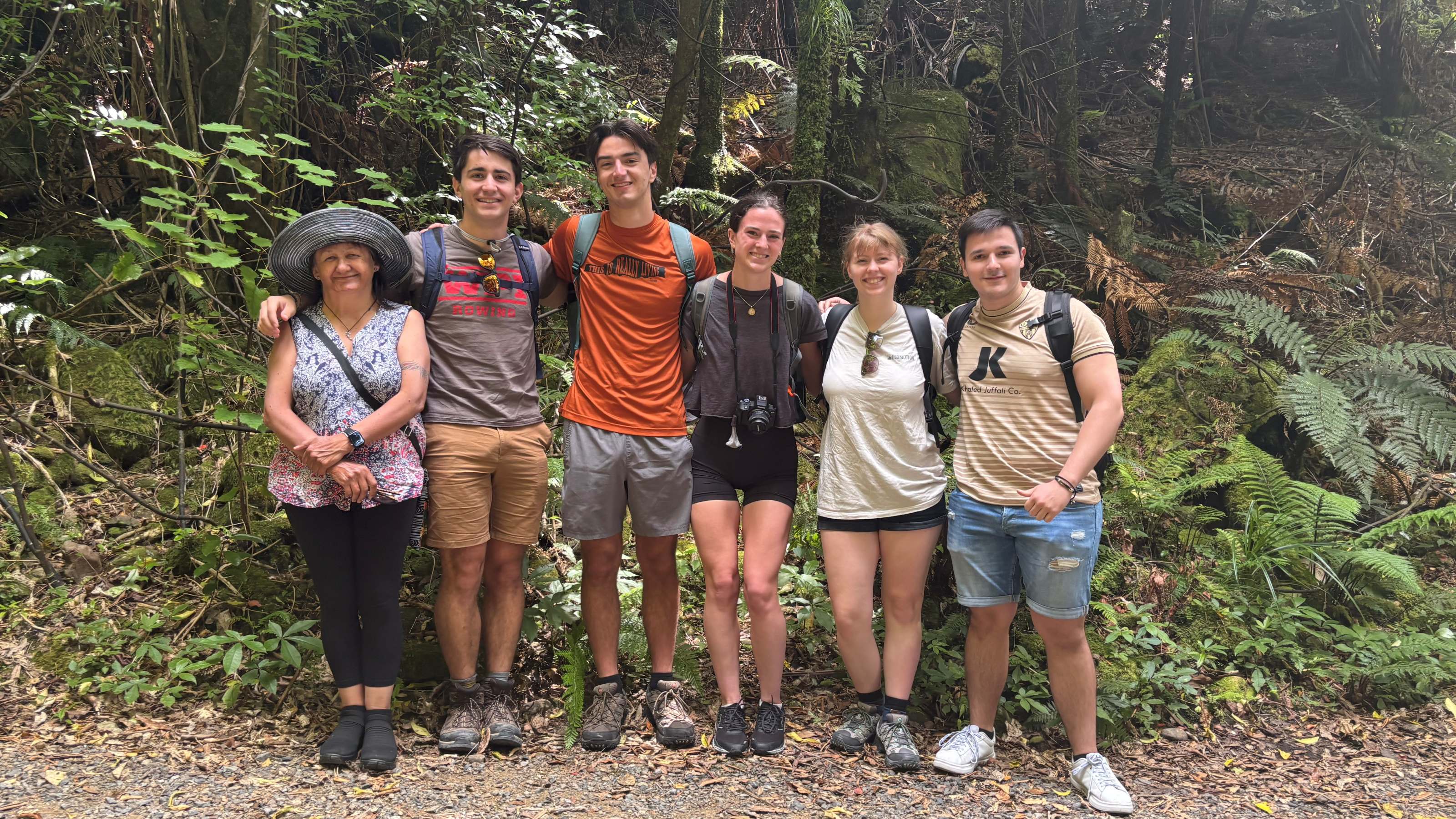
Dr Sara Belcher (far left) with a team of American exchange students monitoring mice activity.
In the Western world, policymakers and politicians like numbers, and being able to see trends using calculations. I really wanted to bridge the gap between mātauranga Māori and Western science.
Dr Sara Belcher
Senior Lecturer, School of Science in Society
“ESAT uses scientific quantitative metrics to underpin mātauranga—it means you can start actually measuring things like mauri and whakapapa,” says Sara.”
By entering economic, social, cultural, and environmental data into a single model, users of ESAT get a holistic picture of the outcomes of a proposed project.
“Using ESAT you can actually measure aspects of mauri that are deemed relevant and important to iwi—it could be things like fruit fall or bird counts—and weight them according to any other values you want to include. It provides a model, and it also gives you an idea of different outcomes using a range of environmental management drivers. Using it means kaitiaki of the land can see the differences in outcomes for the environment based on what their objectives are and what lens they are applying.”
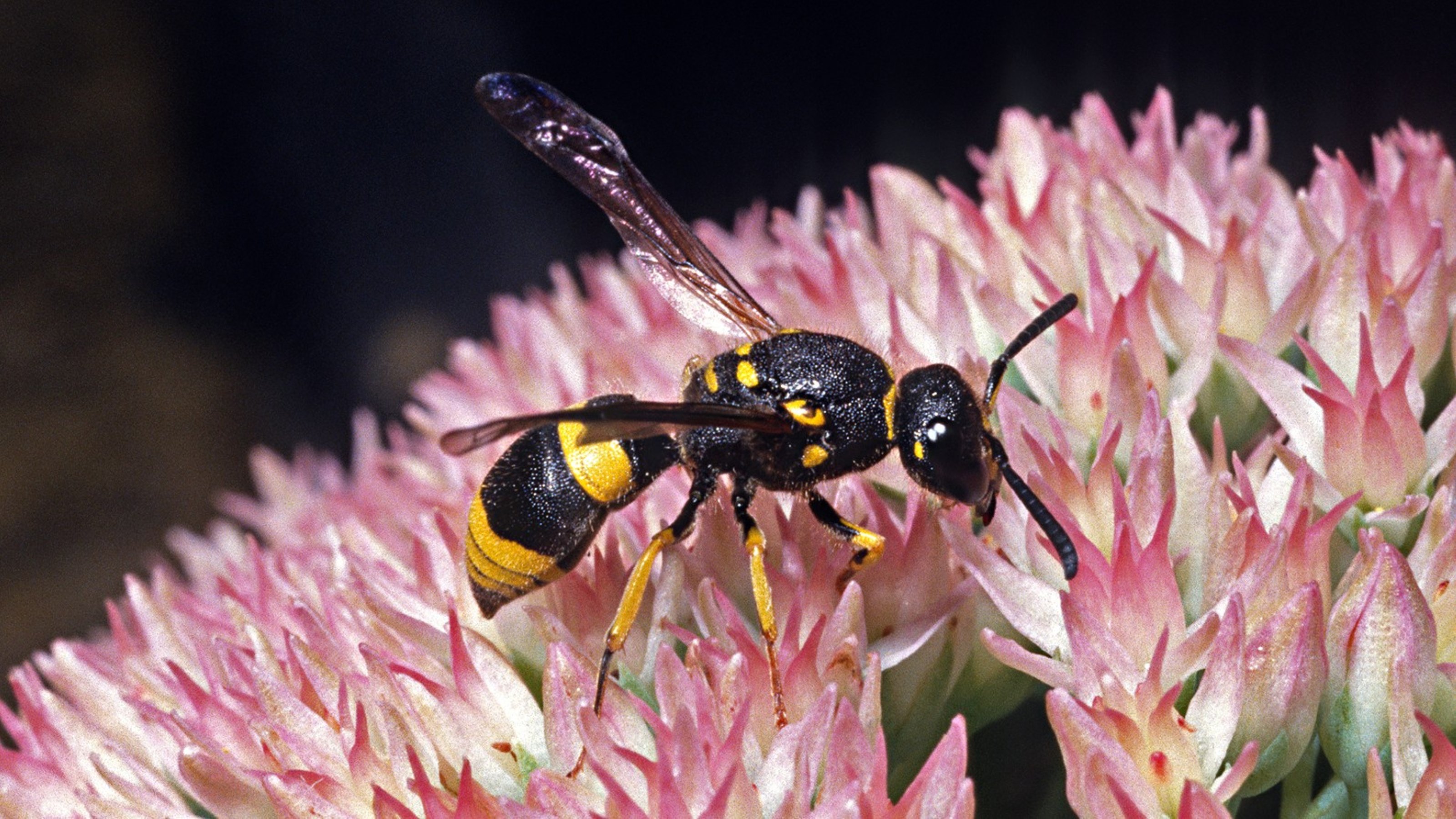
European Tube wasp, Ancistrocerus gazella
Sara has put her design through its paces, using the tool to assess the impact of genetically modified wasps and rats on cultural and environmental outcomes.
“For both those projects we analysed Māori views on genetic modification—the social aspects—and also looked at the technical side of what was actually involved in modifying the genes of these organisms. What we could see was that the perception of whakapapa did change depending on whether a gene is just switched on or off, or whether it’s completely transposed from another organism.”
Sara says whether Māori have buy-in on ambitious projects like these can make a big difference to their success.
Without acceptance of genetic modification technology from the Māori world, these kinds of projects are not going to be nearly as successful than if Māori are on board. Having social buy-in is crucial, and using ESAT showed that.
Dr Sara Belcher
Senior Lecturer, School of Science in Society
Sara is hoping to make ESAT accessible via a web portal or phone app, which means iwi or any other resource manager could enter data into it directly from the field.
“This will mean that even people who don’t understand te ao Māori very well can still draw on mātauranga and understand a little bit more about how the values and concepts Māori view as important can be measured in terms of their relation to resource management.”
How Indigenous concepts inform sustainable practices
In her role at the School of Science and Society, Sara balances teaching with a range of research projects, including working with other Indigenous communities in places like Hawai’i, Canada, and Australia.
I've found that basically every Indigenous nation feels the same way about the environment as Māori do, and it's the Western world that's the odd one out. Westerners tend not to see people as part of the environment—they see the natural world as something to control. But for everybody else, it's completely the other way around.
Dr Sara Belcher
Senior Lecturer, School of Science in Society
Sara maintains that science cannot function in a social vacuum, especially environmental management.
“For Māori, we do not separate what we do to the environment from people. Whatever we do in the environment impacts us. And that's something that Western science tends to forget—when ecologists decide to preserve a piece of bush, they tend to want to put a fence around and keep people out of it,” she explains. “But that goes completely opposite to how Māori do it. For us, our use of the whenua and resources, and where we live, and how we live, are all key to environmental management and all considered part of it.”
Learn more about research at Pūtaiao ki te Pāpori—School of Science in Society.